

Galaxies: Types (Spiral, Elliptical, Irregular), Structure, and Evolution
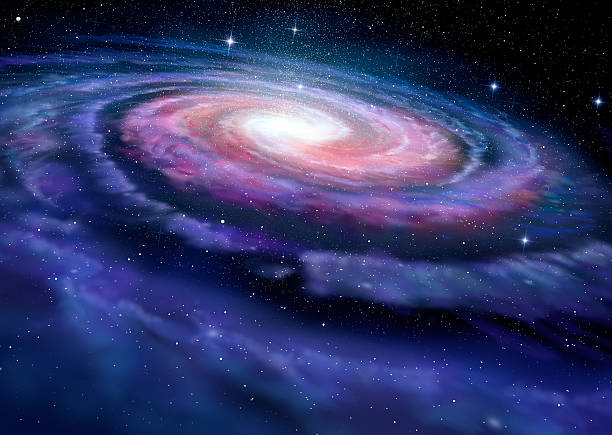
Here's an overview of galaxies, including their types, structure, and evolution:
Types of Galaxies:
1. Spiral Galaxies: Disk-shaped with spiral arms, containing young stars and gas. (e.g., Milky Way)
2. Elliptical Galaxies: Egg-shaped, containing older stars, with little gas or dust. (e.g., M87)
3. Irregular Galaxies: Chaotic, irregular shape, often result of galaxy collisions. (e.g., IC 1101)
Structure of Galaxies:
1. Central Bulge: Older stars and dense core.
2. Disk: Flat, rotating disk of stars, gas, and dust.
3. Halo: Spherical region of dark matter, surrounding the galaxy.
4. Spiral Arms: Regions of high star formation and gas density.
Evolution of Galaxies:
1. Formation: Galaxies form from gas and dust in the early universe.
2. Mergers: Galaxies collide and merge, shaping their structure.
3. Star Formation: Gas and dust collapse, forming new stars.
4. Aging: Stars evolve, and galaxies become older and more elliptical.
5. Black Hole Growth: Supermassive black holes form and grow at galaxy centers.
Other Key Concepts:
1. Dark Matter: Invisible matter, making up 85% of galaxy mass.
2. Dark Energy: Mysterious energy driving galaxy acceleration.
3. Galaxy Clusters: Groups of galaxies, held together by gravity.
4. Cosmic Web: Network of galaxy filaments and voids.
This summary covers the main types of galaxies, their structure, and evolution.



0 Comments